The SDF is USD 100 per night; children 6-11 pay USD 50, and children under 6 are exempted.

The Nabji Trail

Bhutan

Price

$0

Duration

6 days

Max People

50

Min Age

Any

Tour Type

Reviews

No reviews yet

Overview

The Nabji Trail Bhutan – Community-Based Trekking in Central Bhutan

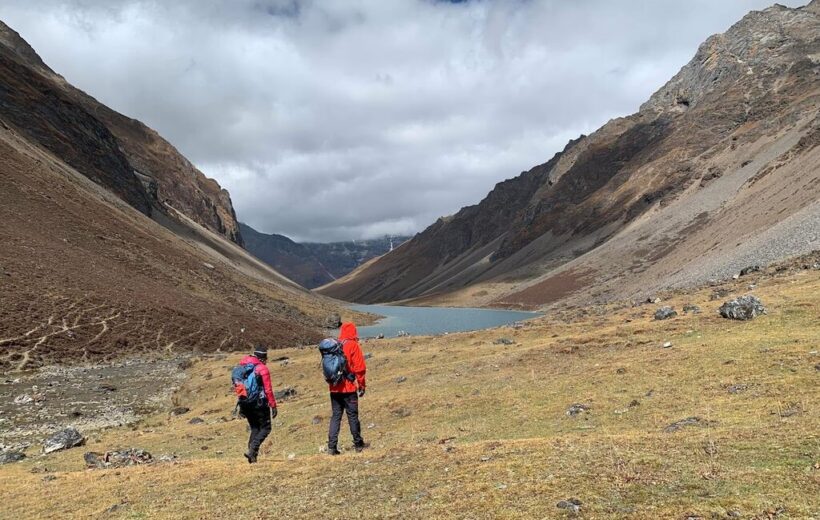
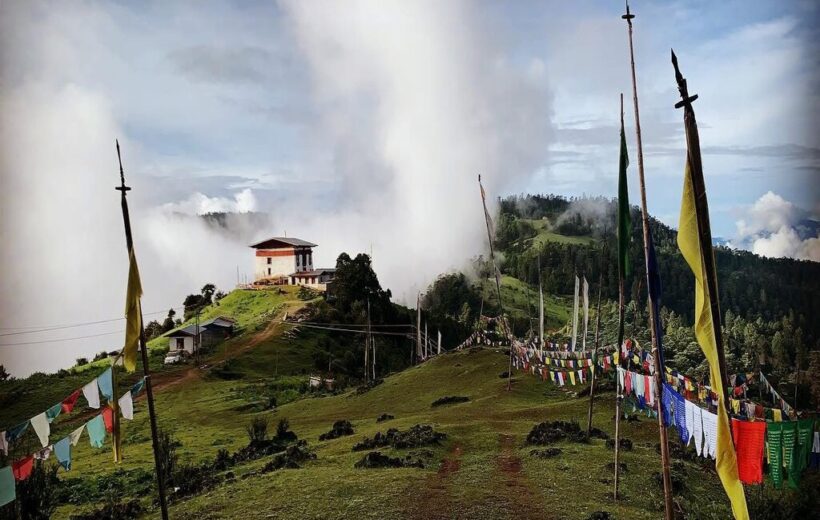
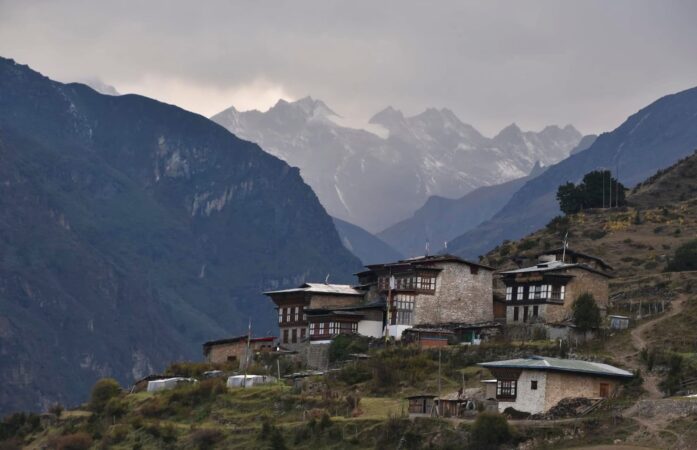
The Nabji Trail Bhutan is a six-day, low-altitude trek in the ecologically rich Jigme Singye Wangchuck National Park. Open from October to March, the trail ranges between 693m and 1,636m in elevation, making it ideal for winter or post-harvest trekking. Designed for cultural immersion and nature appreciation, it provides a scenic and accessible journey for trekkers of all fitness levels.

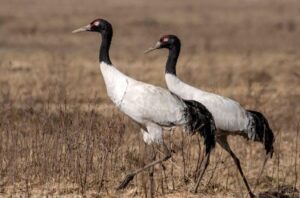
Beginning at Riotala and ending at Tongtongfey, the trail winds through lush forests, terraced rice fields, and traditional villages. Trekkers often encounter endangered wildlife like the Golden Langur and Rufous-necked Hornbill. The route also teems with Himalayan birds and native plants, including orchids, rhododendrons, and chir pine—perfect for birdwatchers and nature lovers.

The trek offers rich cultural experiences. A major highlight is Nabji Temple, where a stone pillar commemorates an 8th-century peace treaty led by Guru Rinpoche. During the final two days, the trail enters the homeland of the Monpa people—Bhutan’s earliest known settlers. These communities craft bamboo products and follow a unique blend of Buddhism and shamanistic traditions.

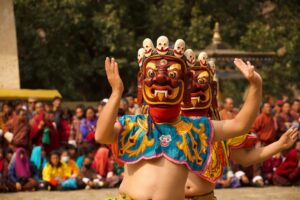
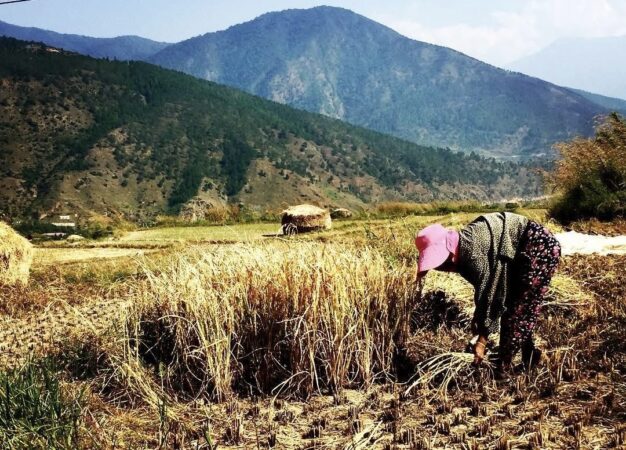
The Nabji Trail Bhutan operates as a community-based tourism model. Local villagers guide the treks, cook meals, and perform cultural shows. They also sell handmade crafts. Tourism Management Committees in each village collect revenue and invest it in education, infrastructure, and support for the elderly and children.

To maintain environmental integrity, the trail enforces a strict “carry-in, carry-out” waste policy. Visitors dispose of non-degradable waste at a local incinerator in Tongtongfey.

This trek blends nature, culture, and sustainability. It offers a deeply rewarding experience while directly benefiting Bhutan’s rural communities and conservation efforts.
Included/Excluded

  • The Bhutan SDF
  • All accommodations
  • Meals and mineral water
  • A licensed English-speaking guide
  • A driver and vehicle
  • Air fare
  • A visa fee of US$40
  • Alcohol
  • Gifts/Souvenirs
  • Travel insurance and personal bills
  • Museums & Monument Fees

Tour Plan

Day 1:

Route: Trongsa (2,200m/7,333ft) to Nimshong Village (1,319m/4,367ft)

The first day begins with a short tour of Trongsa Dzong and Ta Dzong, overlooking the Mangde River. From there, a bus takes you toward Zhemgang, stopping at Riotola (1,060m/3,533ft), the starting point of the Nabji Trail. Keep an eye out for deer and macaques along the way and enjoy stunning views of the Mangde Valley.

The trek starts with a steep descent of 693m (2,310ft) to the Mangde River. After about an hour, you’ll reach Matling (804m/2,600ft), a great spot to rest. Continuing for another 30 minutes, you’ll find a chorten marking the entry to Nimshong village, followed by a steep two-hour climb.

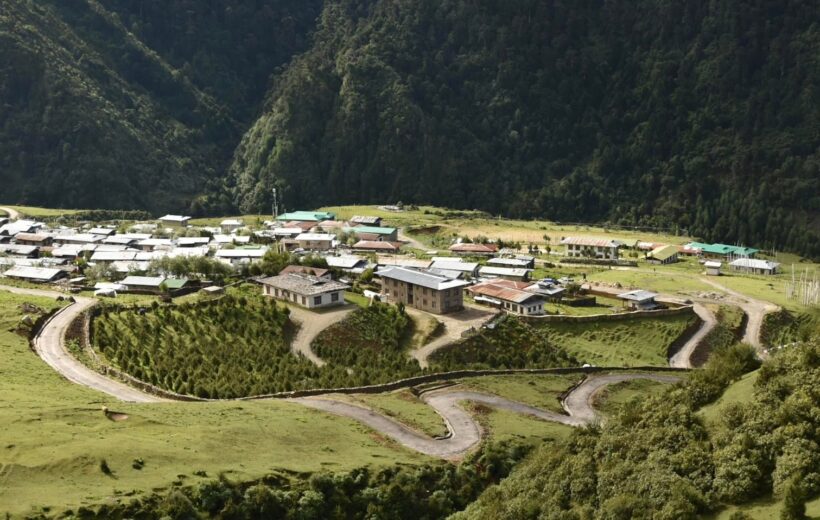
Nimshong is a small village of around 58 households and 465 people. Villagers greet visitors with traditional songs and dances while dinner is prepared. The campsite (1,319m/4,397ft) is located next to the Nimshong Community School, above the village.

Day 2:

Total Distance: 13km; 4–6 hours
Route:
Nimshong Campsite (1,319m/4,397ft) to Nabji Campsite (1,300m/3,827ft)

Start the day with a visit to the local temple, guided by a village guide. The trek takes you through a lush broadleaf forest teeming with wildlife, offering chances to spot the rare Golden Langur and Rufous-necked Hornbill. Although Nabji village is at a similar elevation as Nimshong, the trail weaves through dense forests, with frequent ascents and descents.

Nabji is a picturesque village with around 55 households and a population of about 400. It sits on a foothill above terraced rice fields. The village’s main attraction is the Nabji Temple, which holds a stone pillar symbolizing the peace treaty between the kings of Bumthang and Assam. You can also see rock remnants linked to a blacksmith, believed to be one of Pema Lingpa’s reincarnations.

Spend the night at the campsite, nestled among Nabji's scenic rice fields.

Day 3:

Total Distance: 9.5–13km; 4–5 hours
Route:
Nabji Village (1,300m/3,827ft) to Korphu Lunch Spot (1,636m/5,453ft)

From the base camp in Nabji, take a scenic day hike to Korphu village, perched on a mountaintop at an altitude of 1,500m (5,000ft). This charming village has 76 households and a population of approximately 600. The uphill trail offers stunning views, and the panoramic scenery from Korphu is truly breathtaking.

While in Korphu, you can visit the local temple, which houses sacred relics of Pema Lingpa. A traditional lunch will be served in the village, giving you a taste of the local culture. In the afternoon, return to Nabji, completing the day’s hike.

Day 4:

Total Distance: 11–14 km; 5–7 hours
Route:
Nabji/Korphu Campsite to Kubdra Campsite (1,636m/5,453ft)

Today's trek takes you from Nabji village, starting at the sacred tree, toward Kubdra village. The trail is captivating, leading through dense forests filled with towering trees, hanging climbers, orchids, and small bamboo groves. After about 5 to 6 hours of trekking, you’ll reach a resting spot at Zhelyung (1,565m/5,217ft), where benches are available. This is a perfect place to enjoy your lunch while admiring the view of a nearby waterfall.

Continuing on, the trail takes you deeper into the forest, eventually arriving at Kubdra after roughly six hours of hiking. Along the way, you may notice signs of wildlife such as tigers and leopards, though actual sightings are rare. Evidence like droppings and spoor can sometimes be seen.

Kubdra, home to only three households, is nestled in the heart of the forest and inhabited by a small group of Monpa people. Despite their modest settlement, the Monpas warmly welcome visitors to their campsite, making your stay memorable

Day 5:

Total Distance: 13–14.5 km; ~6 hours
Route:
Kubdra Campsite (1,636m/5,453ft) to Jangbi Village (1,368m/4,560ft)

The trek continues from Kubdra to Jangbi village, with more traces of Guru Rinpoche along the way, including a footprint, dagger, and hat. You will briefly visit the small village of Phrumzur, which has a temple located at 1,400m. From the temple, enjoy a stunning view of the valley while having lunch.

The hike then proceeds through pristine forests with amazing views of the surrounding landscape. Upon reaching Jangbi, you’ll be welcomed with tea in an orchid garden. Here, you can learn more about the Monpa people and their Cane and Bamboo Project. The campsite is located near Jangbi village, offering a breathtaking view of the valley and the Mangde Chhu River.

Day 6:

Total Distance: 7–9.5 km; ~3–4 hours
Route: J
angbi Campsite (1,368m/4,560ft) to Tongtongfey (1,061m/3,537ft) to Trongsa

The day begins with a steep 950-meter descent to the Mangde Chhu bridge, followed by a final climb to Tongtongfey. From there, a bus will take you back to Trongsa, where you can enjoy a comfortable bed and a refreshing shower. If time allows, you can stop at the Kuenga Rabten Palace and the Nunnery on the way back. Overnight stay in Trongsa or your next destination.

Alternative Itineraries:

  • Reverse the Itinerary: Start in Tongtongfey and finish in Riotala.
  • Spend the Night in Korphu: Instead of going to Nabji on Day 2, you can hike up to Korphu and stay there overnight. On Day 3, hike down to Nabji and stay for one night before continuing to Kubdra on Day 4.

Tour Map

Frequently asked question

Itinerary is always flexible if you are travelling in a smaller group. You have a choice of eating in a different restaurant, however, the menu depends on the chef and usually it is a set menu but not necessarily the same menu every day.

It is in the tourism industry but it is not compulsory. It actually depends on the service rendered to you.

Yes, things that are not included in the tariff are all beverages, telecommunications, tips, laundry, massage and souvenir shopping.

Bhutan is well connected and every town has IDD services. Internet cafes are available almost everywhere. Cell phones can also be used but you need to get Bhutan prepaid SIM Card and recharge it. Recharge vouchers are available at every second shop in town.

You can exchange money in the banks as well as in the hotels were you are staying. Rates will be better in the banks plus US$ is acceptable in almost all of the shops in town.

It cannot be safer anywhere else in the world.

Bhutan is all season tourist destination for cultural tours. However the month of February, March, April, and September, October, November are considered the best time due to pleasant weather conditions.  December and January are winter months and June, July and August, the rainy season. It is important to note that the climatic conditions during the winter months are not extreme. The average temperature would range from 10-17 degree Celsius during day time.

The money you have transferred will be with held by the Tourism Council of Bhutan till the day you depart. Travel Agents can only withdraw the money after your departure upon submitting your tour invoice. Therefore, your money is safe.

It is government rule that total tour payment must be remitted without which the government will not issue the visa.

Decide the number of days you want to spend in Bhutan according to your interest and budget.

Decide the date and the port of entry (You can fly into Bhutan from one of these cities; Bangkok, Katmandu, New Delhi, Calcutta and Dacca) into Bhutan.

Fill up the visa application form (You can download the visa application form here).

Remit the total tour payment (You can download the money transfer details here). It is government rule that total tour payment must be remitted without    which the government will not issue the visa.

Once we have confirmed dates, port of entry, dully filled visa application form, and money received, we will process your visa.

Except for travelers from India, Bangladesh and Maldives, all visitors to Bhutan are required to obtain visa approval prior to their arrival, which will be processed by us.

Tourism is not restricted but the minimum daily tariff is set by the government. It is also necessary that all tourists must come through a registered tour operator to plan your itinerary and process your visa. Tourist cannot come on their own unless they are invited guest.

Druk Air operates daily flight (once daily) from Bangkok (Thailand) and four flights a week from New Delhi, Kathmandu and Calcutta (India) and two flights a week from Dacca (Bangladesh). There are different flight schedules for the summer and the winter seasons. For Druk Air schedules click on Flights Details or you can also visit Druk Air web site at www.drukair.com.bt . You can also enter Bhutan via Bagdogra Airport, Siliguri (West Bengal) in India. It has regular flights from New Delhi (twice daily).

Bhutan is connected to the outside world through Druk Air (Royal Bhutan Airlines), the national carrier which is the only airline operating flights in and out of the kingdom.

Tour Inquiry

Book This Tour

please, select date first

Login

HimaQuest Tours welcomes our valued guests to the **Land of Thunder Dragon – Bhutan**. We are looking forward to make the memories of our clients the best thing on this Earth.

Address

Clock Tower, Thimphu, Bhutan

Phone

Email